How We Observe – "Interpret" Drawings in Art Therapy
In art therapy, we don't analyze drawings according to fixed signs, but rather listen through the drawing to the child's soul. Drawing is a language — like any language, every child and every person has their own personal dictionary.
My observation begins with the very first scribbles. I look at drawing through a developmental perspective and many years of experience.
The developmental perspective is based on universal stages in the development of children's drawings, starting from scribbling, which changes and grows in parallel with the child's emotional development and inner world. Each stage has significance in development, and I take this into account in my observation (further details in my book "Please Don't Disturb, I'm Drawing").
I listen not only to what is drawn (like a sun or a house), but also to how — the way the drawing is created: the movement on the page, the degree of freedom or caution, the choice of size, space, line, and color.
Sometimes the meaning is not found in the content of the drawing itself but in its qualities: whether the drawing is open or constricted, monochromatic or rich in color, flowing or restrained, full or emptied.
It is especially important to also observe the drawing process — how the child draws, and if they can and want to, it is worthwhile to ask them about the colors and shapes and listen to their words. I give a place of honor to the personal experience of the artist and to the meaning they themselves give to their creation.
Example of Observing a Drawing in Early Childhood
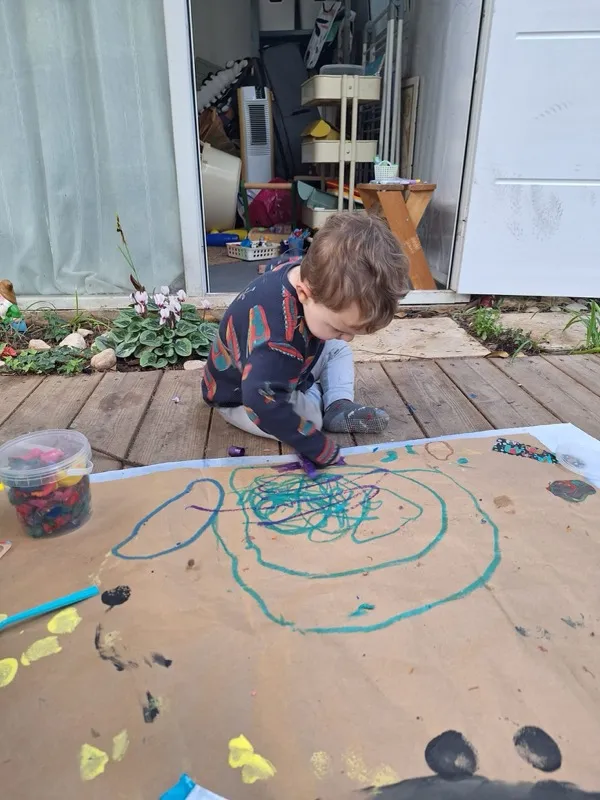
A mother of an 18-month-old toddler wrote to me after sending a drawing: "I see a lot of movement and playfulness — I'm curious to hear what you see."
I told her that I too see movement, playfulness, and an ability to be present within the space of the page. I added that sometimes no less important than the drawing itself is the parent's gaze upon it: when a child feels that their mother enjoys their movement and playfulness, and accepts each stage without interference, it makes them happy, encourages them to continue playing and exploring, and influences the development of their creativity and confidence.
What does the baby see when looking at the mother's face? Generally, the baby sees themselves.
— Winnicott
The parent's accompanying gaze influences the continuation of creation and the child's sense of self-worth.
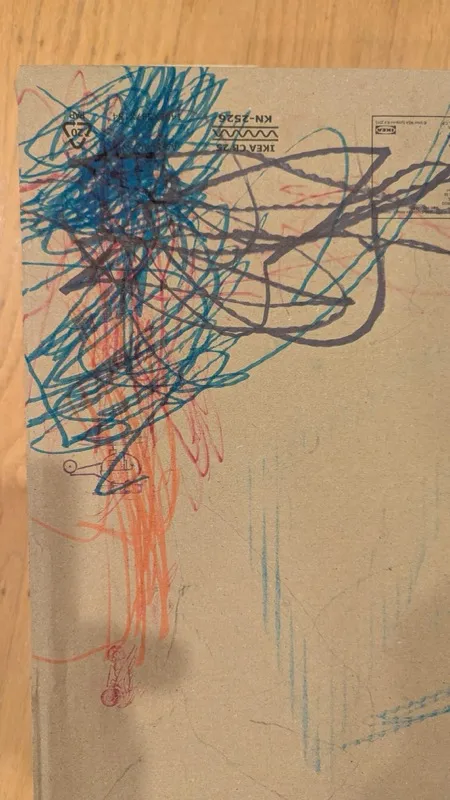
As for the scribble itself — it spreads across the entire page, there is great movement and enjoyment in it, and there is also the beginning of control: the lines are not as tangled as usually seen at this age. It would be fascinating to see earlier drawings as well, and to follow the continuing development.
It is always moving to see how it all begins.
I personally respond to every inquiry within 24–48 hours.
 WhatsApp
Drawing is not a technical diagnosis. It is an encounter and a gentle way to understand a person's inner world, at their own pace and in their own language.
What Is the Purpose of Observing Drawing in This Way?
The purpose is to create understanding and connection. Through drawing, we can meet the child where they are — even before they have precise words to describe their world.
The observation allows us to identify emotional needs, strengths, coping mechanisms, and modes of expression, while at the same time giving the child a feeling of being seen and understood. When a child experiences being understood through their creation, their confidence, initiative, and ability to express themselves are strengthened.
In this way, drawing becomes not only a means of expression, but also a space in which emotional growth and development are made possible.
I wrote extensively about the developmental stages of children's drawings and their emotional significance in my book "Please Don't Disturb, I'm Drawing".
Read more in my bookRead More

Art Therapy
Art therapy is an emotional therapy in which one undergoes a process of growth, development, and awareness, with the help of art materials and the power of creation…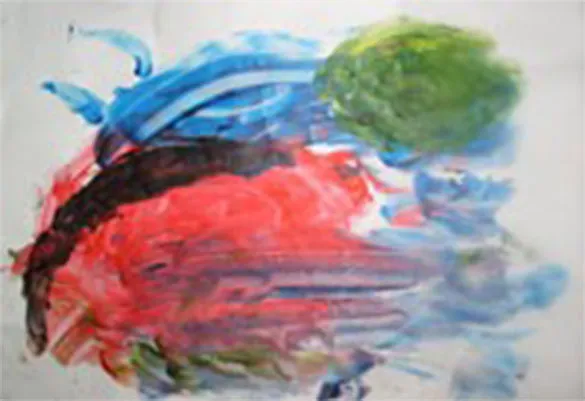
Therapy Demonstration
A demonstration of an art therapy process, step by step, accompanied by drawings and insights from the therapy room…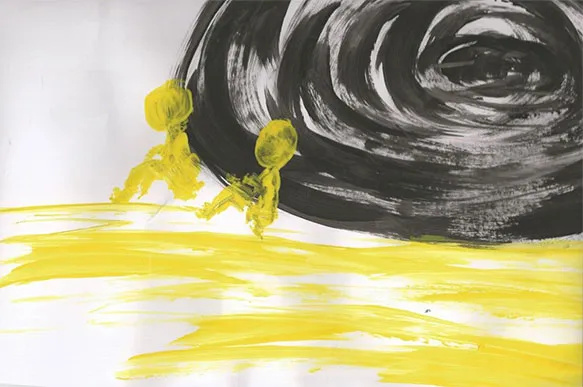
Art Therapy and Focusing
The Focusing approach is based on a process of listening to inner experience, paying attention to body sensations and images that arise…Want to know more?
I'd be happy to meet, answer questions, and help you get started.
Contact us for a consultation and appointment Focused depth meeting